Description
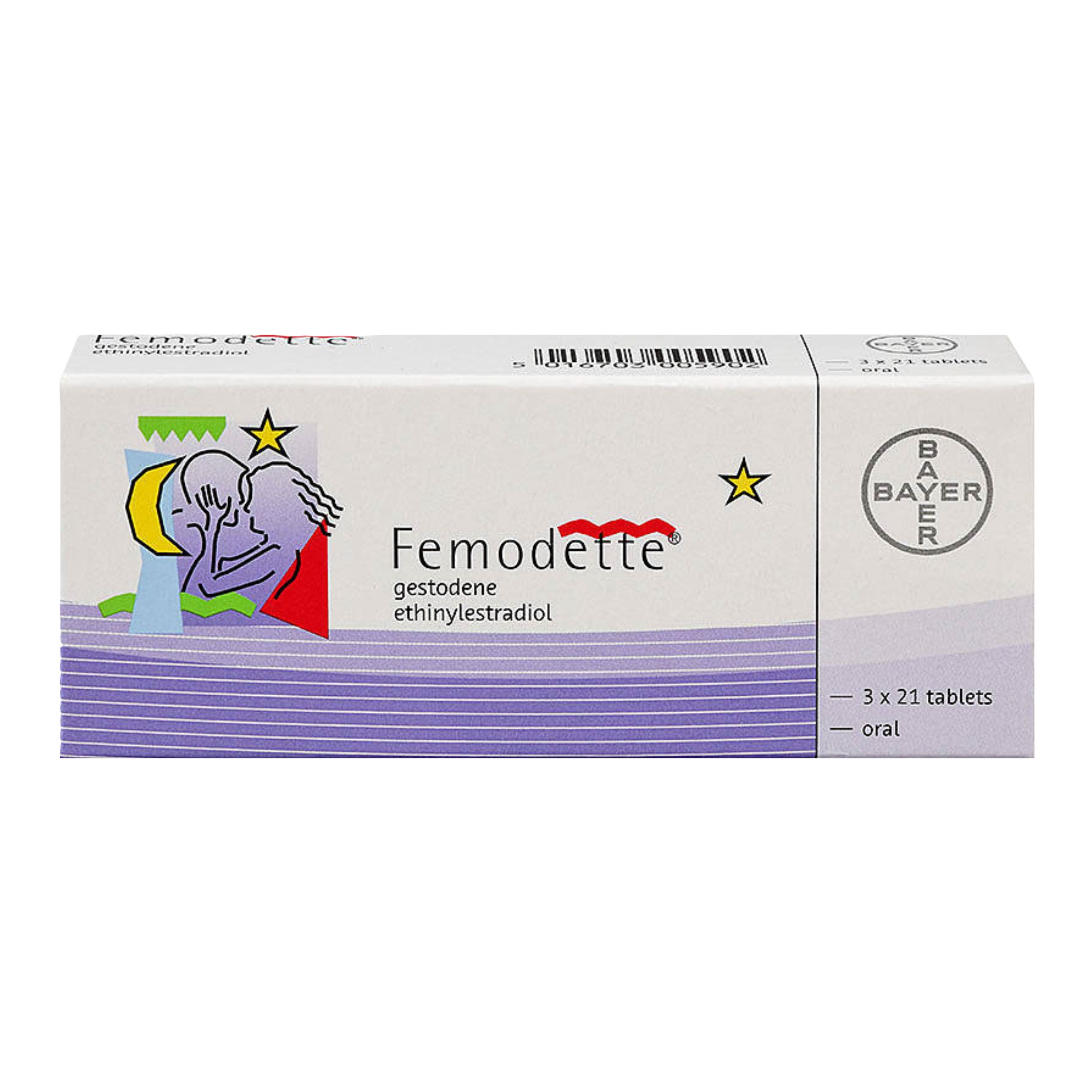
Femodette is a reliable combined oral contraceptive pill that helps prevent unwanted pregnancy and supports menstrual cycle regulation. It contains two hormones—gestodene, a progestogen, and ethinylestradiol, a synthetic version of oestrogen—making it part of the monophasic low-dose pill category. Femodette is suitable for women seeking a well-balanced hormonal contraceptive that offers additional benefits such as reduced menstrual discomfort and improved cycle predictability.
How It Works
Femodette works by preventing ovulation—the release of an egg from the ovaries during the menstrual cycle. In addition, the hormones in Femodette thicken cervical mucus, making it harder for sperm to reach the uterus, and alter the uterine lining to reduce the chances of successful implantation. These triple mechanisms ensure a high level of contraceptive effectiveness when the pill is taken consistently and correctly. Each active tablet delivers a uniform hormone dose throughout the 21-day cycle.
Why Choose Femodette
Femodette is a low-dose pill, meaning it delivers effective contraceptive protection with a lower risk of oestrogen-related side effects. Its single-phase design ensures consistent hormone levels each day, which many women find easier to tolerate and manage. Femodette is often preferred by those who experience hormonal sensitivity or desire a pill that may help improve acne and reduce heavy or painful periods. It also offers enhanced cycle control, making it easier to predict menstruation and manage related symptoms. For users who prioritise routine, the 21/7 cycle format (21 days of pills followed by 7 pill-free days) mimics a natural monthly rhythm and allows a predictable withdrawal bleed.
Important Note
Femodette should be taken daily at the same time for maximum effectiveness. If a pill is missed, or if vomiting or severe diarrhoea occurs within a few hours of taking a tablet, contraceptive protection may be reduced. It is not suitable for all individuals and should only be used under medical supervision. Women with a history of thromboembolic disorders, liver disease, migraines with aura, or hormone-sensitive cancers should avoid using combined contraceptives. It does not protect against sexually transmitted infections and should be accompanied by barrier protection if STI prevention is required. Regular reviews with a healthcare provider are recommended during continued use.