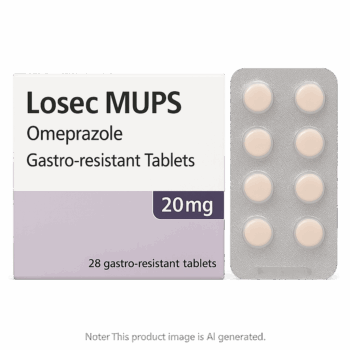
Description
Pantoprazole is a widely prescribed medication used to treat various acid-related disorders of the digestive system. These include gastroesophageal reflux disease (GORD), heartburn, indigestion, peptic ulcers, and conditions involving excessive stomach acid production such as Zollinger-Ellison syndrome. Belonging to a class of drugs known as proton pump inhibitors (PPIs), Pantoprazole works by significantly reducing the amount of acid the stomach produces. This provides long-term relief from symptoms such as chest discomfort, bloating, acid regurgitation, and stomach pain. It also supports the healing of irritated or inflamed tissue in the oesophagus and stomach caused by excessive acid exposure.
How It Works
Pantoprazole acts by inhibiting the proton pumps found in the stomach lining. These proton pumps are responsible for secreting gastric acid into the stomach, which aids in digestion but can also cause discomfort and damage when overproduced. By blocking these pumps, Pantoprazole reduces acid secretion at the source. This reduction helps lower acidity levels, allowing ulcers and inflammation in the oesophagus or stomach to heal more effectively. The medicine typically starts working within a few hours, though full relief may take several days. It is taken once daily and is most effective when taken before meals.
Why Choose Pantoprazole
Pantoprazole is a reliable choice for both short- and long-term management of acid-related disorders. It offers:
-
Effective symptom relief: Reduces heartburn, acid regurgitation, and discomfort related to ulcers or reflux.
-
Healing support: Allows gastrointestinal tissues to heal by creating a less acidic environment.
-
Convenient dosing: Usually taken once daily, which simplifies treatment and improves adherence.
-
Proven tolerability: Has been used safely by millions of patients worldwide with a favourable side effect profile.
-
Flexible treatment use: Can be used for acute symptom relief or as a maintenance therapy to prevent recurrence.
Pantoprazole is available in gastro-resistant tablets, designed to prevent degradation in the stomach and ensure proper absorption in the intestines.
Important Note
Pantoprazole should always be taken exactly as prescribed. Do not crush or chew the tablets, as this may compromise their protective coating. It is important to complete the prescribed course even if symptoms improve early. Long-term use may affect nutrient absorption (e.g. vitamin B12 or magnesium) and should be monitored by a healthcare professional. Inform your doctor if you experience persistent symptoms, black stools, or unexpected weight loss while taking Pantoprazole. Avoid taking with other acid-suppressing medications unless directed by a healthcare provider.