Description
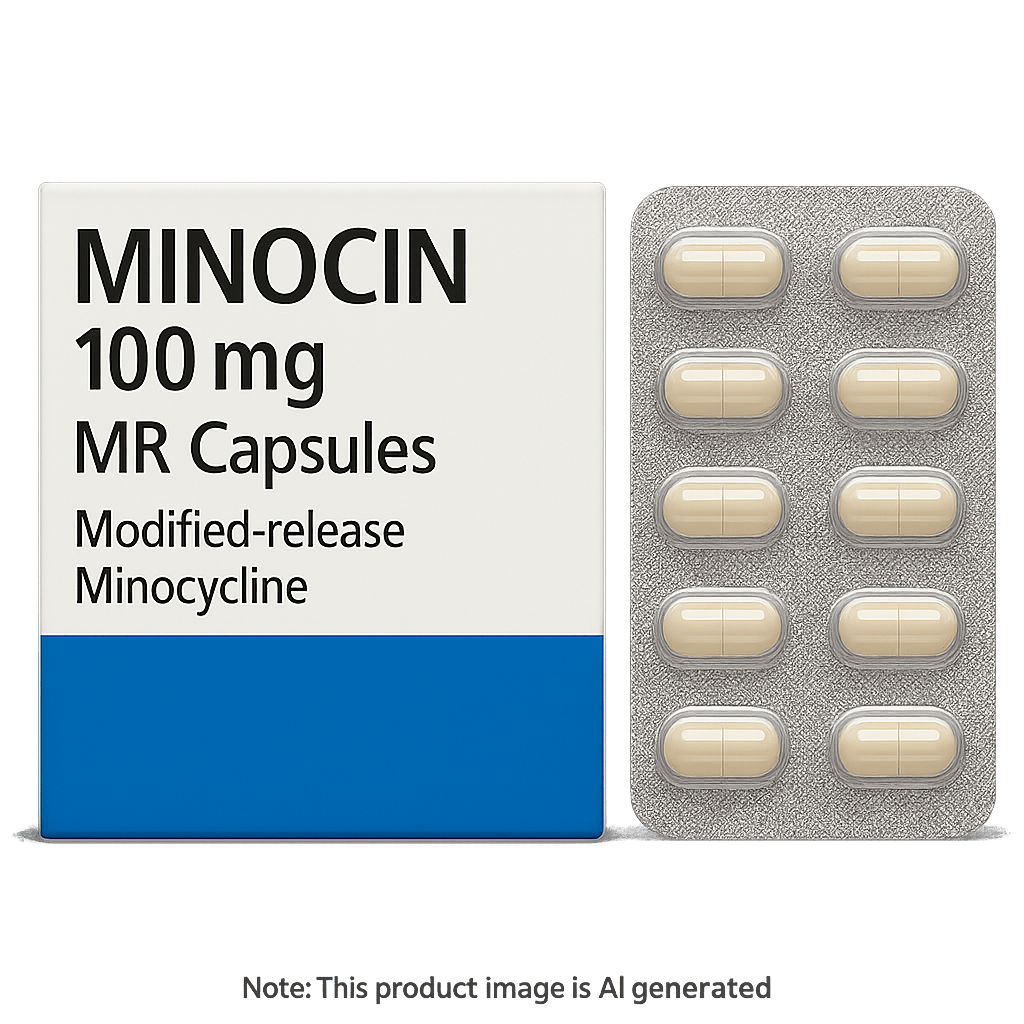
Minocin 100mg MR Capsules are a prescription oral antibiotic used primarily to treat moderate to severe acne, as well as other bacterial infections such as chest infections, urinary tract infections, and certain sexually transmitted infections. The modified-release (MR) formulation ensures a steady release of minocycline throughout the day, enabling convenient once-daily dosing. Minocin is typically prescribed to individuals where topical treatments or other antibiotics have been ineffective or poorly tolerated.
How It Works
Minocycline belongs to the tetracycline class of antibiotics and works by inhibiting bacterial protein synthesis, which is essential for bacterial growth and replication. This bacteriostatic action helps to reduce bacterial load, relieve inflammation, and prevent new acne lesions from forming. The MR version of Minocin allows the antibiotic to be released gradually over 24 hours, maintaining effective levels in the bloodstream while reducing the likelihood of peak-related side effects.
Why Choose Minocin 100mg MR
Minocin MR Capsules offer an effective and well-tolerated once-daily treatment for acne and a range of bacterial infections. The modified-release formulation provides consistent therapeutic coverage while minimising gastrointestinal upset. It is often used when patients have not responded to topical treatments or when systemic control of infection or inflammation is required. It is also beneficial in acne cases involving deeper or cystic lesions. With a proven safety record, Minocin MR remains a first-line systemic option in dermatology and infectious disease management.
Important Note
Minocin should not be used by pregnant or breastfeeding women, or children under 12 due to the risk of tooth discoloration and bone development issues. Long-term use should be carefully monitored for liver function, autoimmune reactions, or skin pigmentation changes. Avoid prolonged sun exposure as minocycline can increase photosensitivity. Discontinue use if severe headache or vision changes occur, as these may signal benign intracranial hypertension.