


Conditions
Treatments for Angina
Search for the right angina treatment in our online store, or contact us for expert advice.
About This Condition
Angina
Search for the right angina treatment in our online store, or contact us for expert advice.
Angina presents as a tight, squeezing, or burning sensation in the chest, usually triggered by exercise, emotional stress, or after meals. It may radiate to the arms, neck, jaw, or back. Stable angina occurs in predictable patterns, while unstable angina can appear suddenly and may signal a higher risk of heart attack.
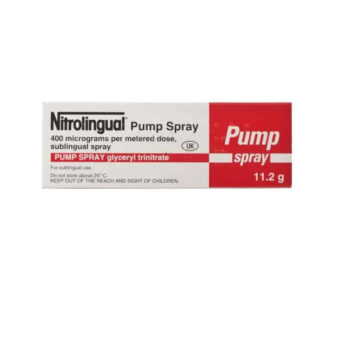
Medications such as Glyceryl Trinitrate (GTN) spray work by relaxing and widening the blood vessels, allowing more oxygen to reach the heart and quickly relieving pain. Long-term management may involve beta-blockers, calcium channel blockers, or statins to reduce the workload on the heart and improve blood flow.
A licensed prescriber will review your medical history, current treatment, and symptoms to ensure that any new angina treatment is appropriate and safe.

GTN spray is used at the onset of chest pain or before activities that may trigger angina. It acts quickly—often within minutes—and is easy to carry and administer. If symptoms persist after use, emergency medical attention may be needed.
Lifestyle changes such as quitting smoking, adopting a heart-healthy diet, maintaining a healthy weight, and regular gentle exercise play a crucial role in managing angina and improving cardiovascular health.
Ordering angina treatment online involves completing a medical consultation for review by a licensed UK prescriber. If suitable, your medication will be dispatched discreetly and delivered promptly.


Order Medicines
Search our online shop to find the medicines you require.

Prescriber Reviews
Our UK Pharmacist will review your order and dispense your medicine.

Receive Your Order
Your order will be dispatched to your chosen address.



FAQ’s
Got a Question?
Browse our FAQs below for quick answers about our online doctor services, prescriptions, and delivery. Need more help? Get in touch via live chat or email.
What is angina?
Angina is chest pain caused by restricted blood flow to the heart. It is often a symptom of coronary artery disease and should be monitored closely.
What does angina feel like?
It feels like a pressure, heaviness, or squeezing in the chest. It can also spread to the arms, neck, jaw, or back and typically occurs during activity or stress.
How is angina treated?
Treatments include GTN spray for immediate relief, and long-term medications like beta-blockers, calcium channel blockers, or statins to reduce heart strain and prevent future episodes.
Is it safe to treat angina online?
Yes, with proper medical review. You must complete a detailed consultation including current medications and medical history. A prescriber will assess if treatment is safe for you.
What should I do if GTN spray doesn’t work?
If chest pain persists after using GTN, seek emergency medical help immediately as it could indicate a heart attack.