Description
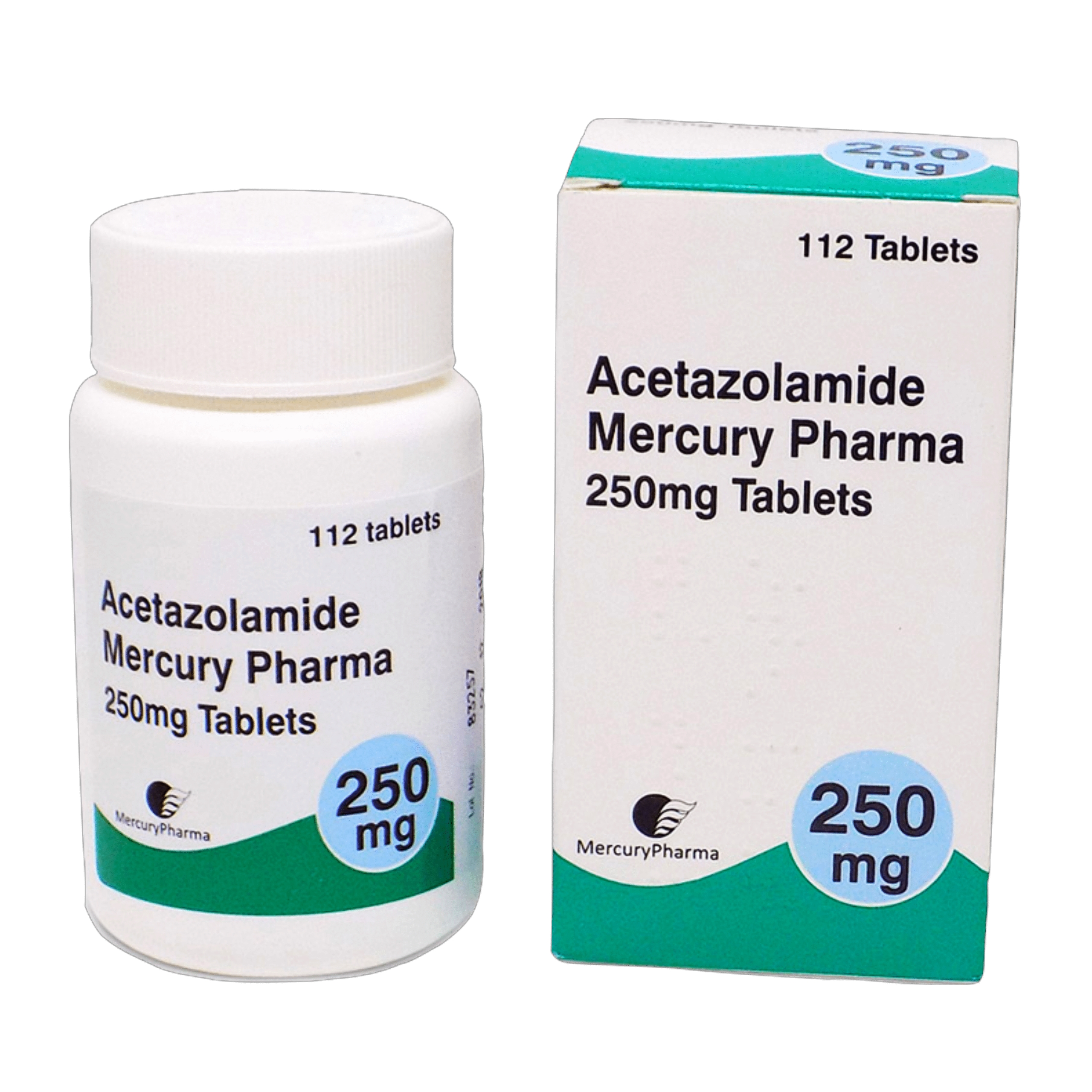
Acetazolamide is a versatile prescription medicine used to treat a variety of conditions involving fluid balance and pressure regulation. Most commonly, it is used to reduce intraocular pressure in glaucoma, relieve symptoms of fluid retention due to congestive heart failure, and help prevent altitude sickness in travellers ascending rapidly to high altitudes. It is also sometimes prescribed as an adjunctive treatment for specific types of seizures.
How It Works
Acetazolamide belongs to a class of medicines called carbonic anhydrase inhibitors. It works by inhibiting the enzyme carbonic anhydrase, which is involved in the regulation of fluid levels in the body. In the eyes, it reduces the production of aqueous humour, thereby lowering intraocular pressure—beneficial for glaucoma patients. In the kidneys, it promotes the excretion of sodium, bicarbonate, and water, resulting in diuresis. In the brain, it may alter cerebrospinal fluid dynamics, which is helpful in managing certain neurological conditions such as idiopathic intracranial hypertension.
Why Choose Acetazolamide
Acetazolamide offers rapid onset of action, making it particularly effective in managing acute symptoms of altitude sickness and fluid overload. Its use in multiple therapeutic areas, from ophthalmology to neurology, makes it a flexible tool in clinical practice. For travellers heading to high-altitude regions, a short course can significantly reduce the risk of acute mountain sickness, making it a go-to preventive strategy. The tablet form is easy to administer and widely available by prescription.
Important Note
Acetazolamide should only be used under medical supervision. It may cause changes in blood electrolytes and acid–base balance, and regular monitoring is often required during extended treatment. It is not suitable for individuals with severe liver or kidney dysfunction, certain types of glaucoma, or those allergic to sulphonamides. Patients may experience tingling in the extremities, changes in taste, or increased urination. It is not a substitute for proper acclimatisation at high altitude and should be used in combination with gradual ascent.