Description
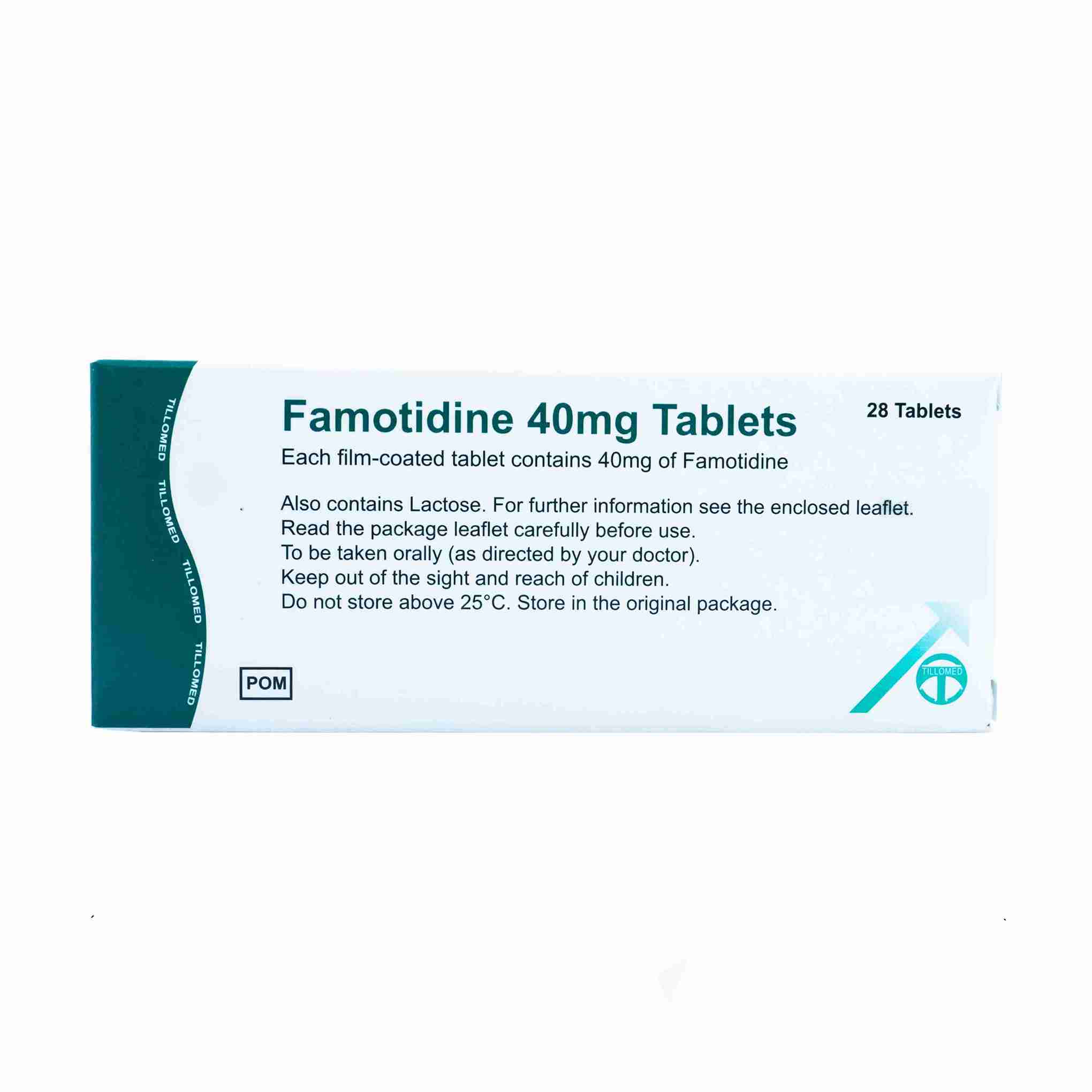
Famotidine is a prescription-strength H2-receptor antagonist used to treat acid-related gastrointestinal conditions. These include gastro-oesophageal reflux disease (GORD), peptic ulcers, and functional dyspepsia. It is also prescribed to prevent ulcers in patients taking non-steroidal anti-inflammatory drugs (NSAIDs) and to manage acid hypersecretion in rare conditions like Zollinger-Ellison syndrome. Famotidine is suitable for adults and, under medical supervision, may also be used in adolescents. It provides sustained acid suppression while being generally well tolerated, even in long-term use.
How It Works
Famotidine acts by selectively blocking histamine H2-receptors in the stomach lining. Histamine normally stimulates acid production, but by inhibiting this signal, Famotidine reduces both basal and stimulated gastric acid output. This reduction in acid helps to relieve symptoms such as heartburn, indigestion, and abdominal discomfort, while also allowing damaged tissues in the stomach or oesophagus to heal. Unlike antacids that neutralise existing acid, Famotidine prevents excess acid from being produced in the first place. Its effects begin within one hour of administration and may last up to 12 hours, making it suitable for twice-daily or once-daily dosing depending on the clinical indication.
Why Choose Famotidine
Famotidine provides a reliable alternative to proton pump inhibitors (PPIs) for acid suppression, especially in patients who are intolerant of PPIs or for whom PPIs are not clinically appropriate. It offers rapid onset of action and a strong safety profile, with fewer drug interactions than some older H2-blockers. Famotidine is especially useful for patients who experience nocturnal reflux or prefer a medication that does not interfere with vitamin B12 absorption. Because it does not affect the proton pump mechanism, it avoids some of the risks associated with long-term PPI use, such as magnesium deficiency or increased fracture risk. It is available in both 20 mg and 40 mg doses, offering flexibility for step-up or maintenance therapy.
Important Note
Famotidine should be used exactly as prescribed and is not intended for the immediate relief of severe heartburn or chest pain, which may require emergency evaluation. It may be used alongside antacids for breakthrough symptoms, but should not be used as a substitute for comprehensive gastrointestinal assessment if symptoms persist or recur frequently. Dose adjustment is often necessary in patients with renal impairment, and long-term use should be periodically reviewed by a healthcare provider. It does not prevent damage from NSAIDs unless used prophylactically under a doctor’s guidance. Famotidine should be avoided during pregnancy unless advised by a healthcare professional and is not known to be harmful in breastfeeding, but caution is advised.