Description
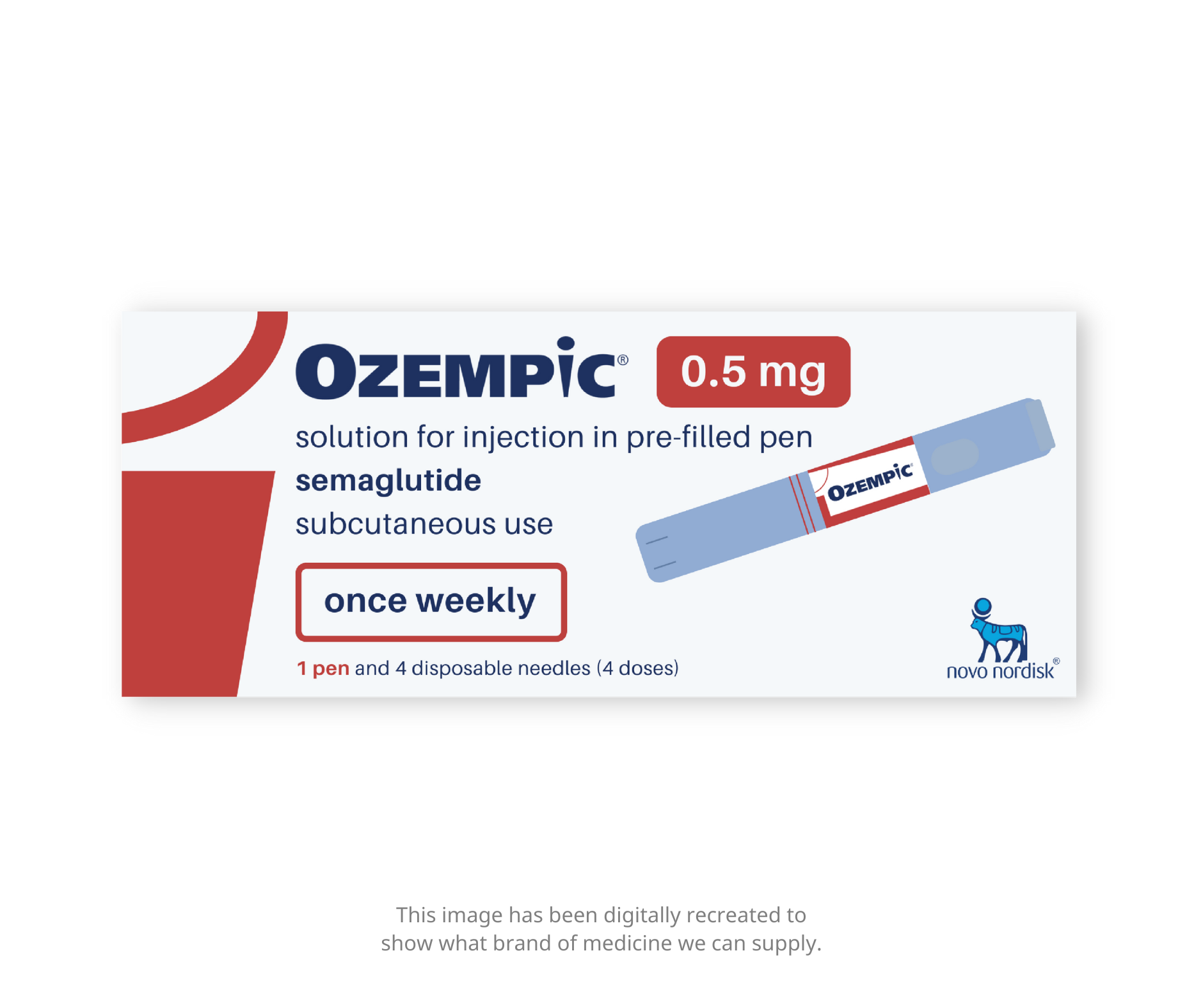
Ozempic is a prescription-only injectable medication designed to help adults manage type 2 diabetes mellitus. It is typically prescribed when lifestyle changes and other medications alone are not sufficient to maintain proper blood sugar levels. In addition to lowering blood glucose, Ozempic offers cardiovascular benefits and may also support weight loss, making it a comprehensive option for long-term diabetes care. The treatment is suitable for adults aged 18 and over and is used alongside a healthy diet and exercise programme to optimise effectiveness.
How It Works
Ozempic contains semaglutide, a GLP-1 (glucagon-like peptide-1) receptor agonist. This hormone-mimicking compound works through multiple mechanisms to control blood sugar levels. Firstly, it stimulates the pancreas to release insulin when blood glucose is high. Secondly, it suppresses the release of glucagon, a hormone that raises blood sugar. Lastly, it slows gastric emptying, helping to reduce post-meal glucose spikes. The combined effect results in more stable blood glucose levels throughout the day. Ozempic is administered once weekly via a subcutaneous injection, allowing for convenient, long-lasting control with minimal daily disruption.
Why Choose Ozempic
Ozempic is recognised for its clinically effective performance in blood sugar control and its added cardiovascular and weight-related benefits. Patients using Ozempic often report improved glycaemic outcomes and reductions in appetite, which may assist with weight management goals. The once-weekly dosing schedule enhances adherence, especially for those who struggle with multiple daily tablets or more frequent injections. Unlike some other treatments, Ozempic poses a lower risk of hypoglycaemia when used on its own, as it primarily acts when blood glucose levels are elevated. The pen device is designed for ease of use, allowing for discreet, at-home administration without the need for frequent clinic visits.
Important Note
Ozempic is not intended for use in individuals with type 1 diabetes or for the treatment of diabetic ketoacidosis. It must be prescribed and supervised by a healthcare professional, particularly when used in combination with other antidiabetic drugs. Patients should monitor for possible gastrointestinal side effects, particularly in the initial weeks of treatment. Regular follow-ups may be necessary to assess blood glucose response, kidney function, and any adjustments to dosing. Do not use Ozempic if you are pregnant, planning pregnancy, or breastfeeding unless directed by a medical professional. Always follow the full treatment plan as outlined by your healthcare provider.