Description
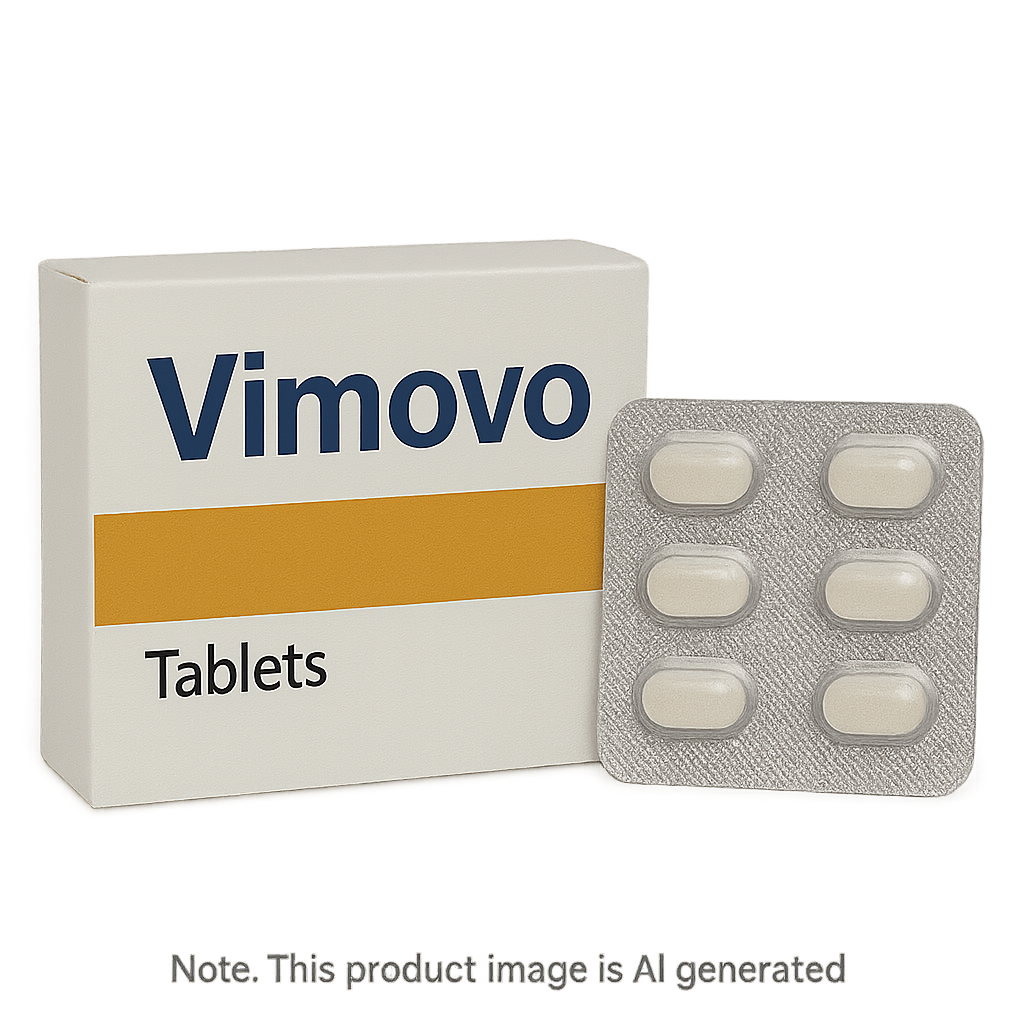
Vimovo modified-release tablets are a dual-action prescription medicine specifically designed to treat symptoms of chronic inflammatory conditions such as osteoarthritis, rheumatoid arthritis, and ankylosing spondylitis. These tablets are intended for patients who require long-term treatment with non-steroidal anti-inflammatory drugs (NSAIDs) but who also have a risk of developing gastrointestinal complications. Vimovo provides effective relief from pain and inflammation while reducing the potential for stomach ulcers and irritation.
How It Works
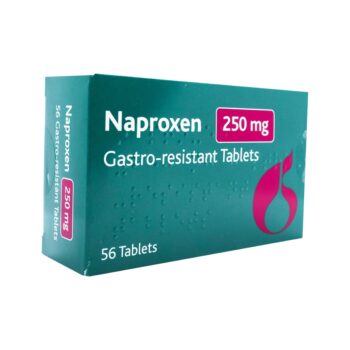
Each Vimovo tablet combines two active substances: naproxen, a potent NSAID, and esomeprazole magnesium, a proton pump inhibitor (PPI). Naproxen works by inhibiting cyclooxygenase enzymes (COX-1 and COX-2), which are involved in the production of prostaglandins that cause inflammation and pain. While NSAIDs are effective, they often increase the risk of gastric side effects. Esomeprazole addresses this concern by reducing the amount of acid produced in the stomach lining. This protective action significantly lowers the risk of gastrointestinal ulcers or bleeding, particularly in patients with a history of NSAID-related digestive issues.
Why Choose Vimovo
Vimovo simplifies treatment by combining two therapies into one convenient formulation. It offers both the anti-inflammatory and analgesic benefits of naproxen and the stomach-protective effects of esomeprazole, helping to avoid the need for multiple medications. This combination enhances adherence, improves symptom management, and offers reassurance for patients requiring extended NSAID use. The modified-release tablet ensures that the esomeprazole is absorbed before the naproxen is released, optimising gastrointestinal protection.
Important Note
Vimovo should only be taken under medical supervision and is not suitable for everyone. It must not be used by individuals with active or recent gastrointestinal bleeding, severe hepatic or renal impairment, or known allergies to NSAIDs or proton pump inhibitors. Patients with cardiovascular risk factors should discuss potential risks with their doctor. It is also not recommended during pregnancy, especially in the third trimester. Regular medical reviews are essential to ensure safe and effective treatment over time.